The Ascot Gold Cup

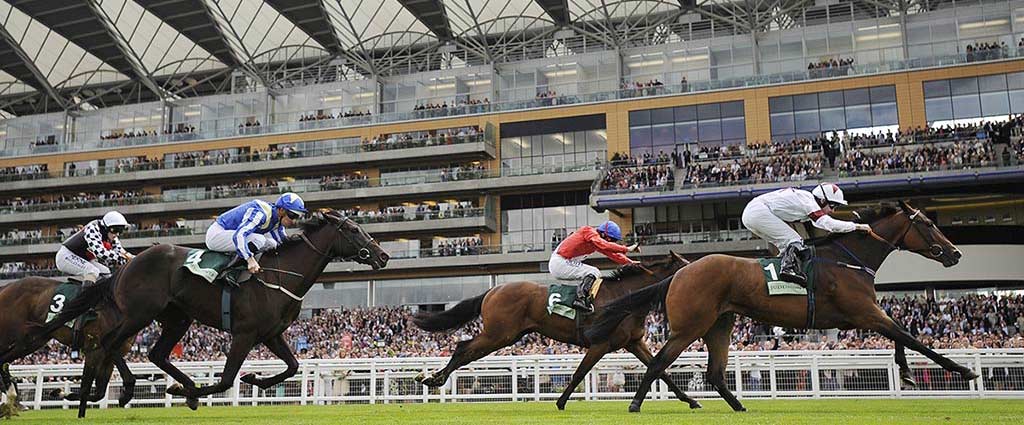
ASCOT, ENGLAND - JUNE 21: Yeats takes in the scene at Ascot after his victory, ridden by Mick Kinane, in The Ascot Gold Cup at Ascot Racecourse during the third day of The Royal Meeting held at the Berkshire track on June 21, 2007, in Ascot, England. (Photo by Julian Herbert/Getty Images)

The Ascot Gold Cup is the most prestigious and eagerly anticipated race of the Royal Ascot meeting, and the feature race of the third day of the Royal Ascot meeting.

The Ascot Gold Cup was first run in 1807, and marked the high point of ‘Ladies Day' at the races. The race has added importance as one of the races in the British Stayer's Triple Crown, alongside the Doncaster Cup and the Goodwood Cup - a series that has only been won six times in the history of flat racing.

The Ascot Gold Cup is a Group 1 race open to four-year-old and above thoroughbreds. The race is run over two miles, four furlongs making it the premier stayers' race in the United Kingdom.

Ascot Gold Cup Betting

The Ascot Gold Cup is one of the flat racing betting highlights of the year. The race attracts some of the finest thoroughbred stayers in the world, and punters are often left choosing between a handful of racing superstars.

The quality of the field translates into relatively reliable odds. Short-odds horses have a record of doing well in the race, whilst good performances by long-odds outsiders are relatively rare.

Ascot Gold Cup Winners

The most successful jockey in the history of the race was Lester Piggot, who rode 11 Ascot Gold Cup winners between 1957 and 1982, partnering the great Sagaro for three of his wins.

Saeed bin Suroor, the gifted trainer from the United Arab Emirates, has the distinction of having trained the greatest number of winners of flat racing's biggest event. Suroor achieved his first Ascot Gold Cup win in 1996, and in the following decade has seen three more of his horses pass the finishing post in first place.